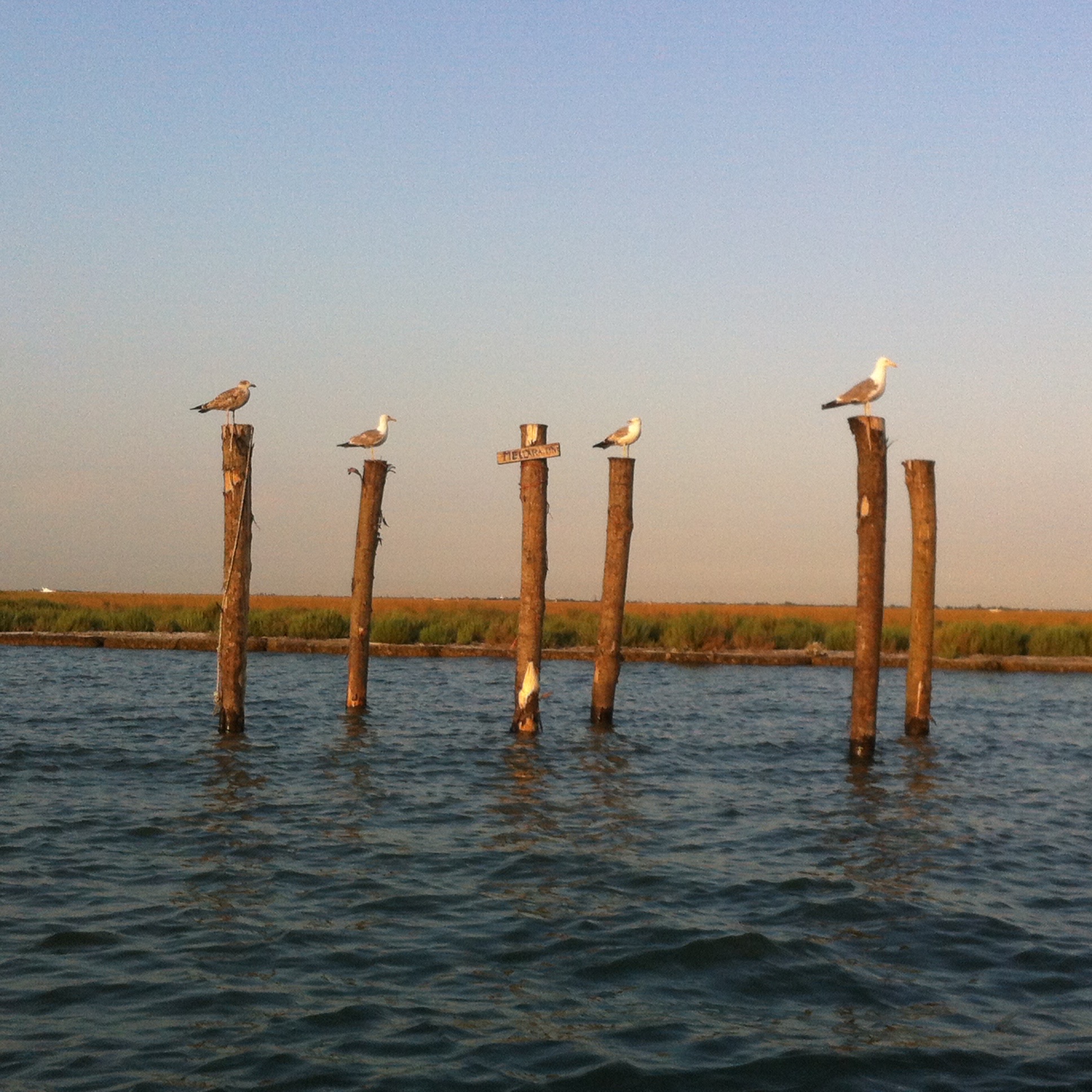
Reed Beds of the Po Delta and Their Ecological Role
The Po Delta holds one of Europe's most extensive reed systems. An in-depth look at how Phragmites australis shapes water quality, wildlife corridors, and seasonal flooding patterns.
A reference archive on common reed ecology, traditional material gathering, and the centuries-old art of basket weaving found in Italy's wetland regions.
Detailed accounts of wetland ecosystems, traditional crafts, and natural material culture in Italy.
The Po Delta holds one of Europe's most extensive reed systems. An in-depth look at how Phragmites australis shapes water quality, wildlife corridors, and seasonal flooding patterns.
For centuries, communities along the Venetian lagoon have shaped reed and willow into functional objects. A documentation of surviving weaving methods and their material requirements.
Sardinian coastal lagoons contain reed stands that have supplied local craftspeople for generations. An examination of seasonal cutting cycles, drying methods, and storage practices.
Phragmites australis forms dense monocultures across the Po Delta, the Venetian Lagoon, and Sardinia's coastal lagoons. These stands do more than define a landscape — they regulate sediment movement, support over 70 bird species, and provide the raw material for craft traditions that predate modern industry.
Read the full accountItaly's reed-related craft traditions differ significantly by region — shaped by water salinity, reed variety, and local market demand.
Brackish reed stands harvested in January and February yield stiff culms suited to coarse basket structures and fish traps.
Freshwater reeds from the Po Delta grow taller and more pliable, historically used for roofing mats and flat-base baskets across the Veneto plain.
Around the Stagno di Cabras and Stagno di Cagliari, fishermen and weavers have long used asphodel and rush alongside Phragmites in layered basket constructions.
Each regional weaving style encodes knowledge about local plant growth, seasonal availability, and the physical properties of harvested material. Examining a basket can reveal which lagoon it came from, the time of year it was cut, and whether the weaver worked with fresh or dried stalks.
Venetian weaving techniquesItaly's classified wetland areas cover over 1,400 km². The Po Delta alone accounts for roughly 620 km² of mixed reed and open water habitat.
Reed cutting in Italy runs from late December through February, when stems are fully dried and bird nesting has not yet begun — a practice aligned with both craft and conservation requirements.
Documented basket weaving in the Venetian lagoon dates to at least the 13th century. The same knot patterns found in archival images appear in pieces made today in Chioggia and Pellestrina.
This archive documents the ecological and craft dimensions of reed use across Italian wetlands. The content draws on published ecological surveys, regional ethnographic records, and direct accounts from active craft communities.
For specific inquiries, source requests, or corrections, use the form below.